What is a nuchal cord and can it cause HIE?

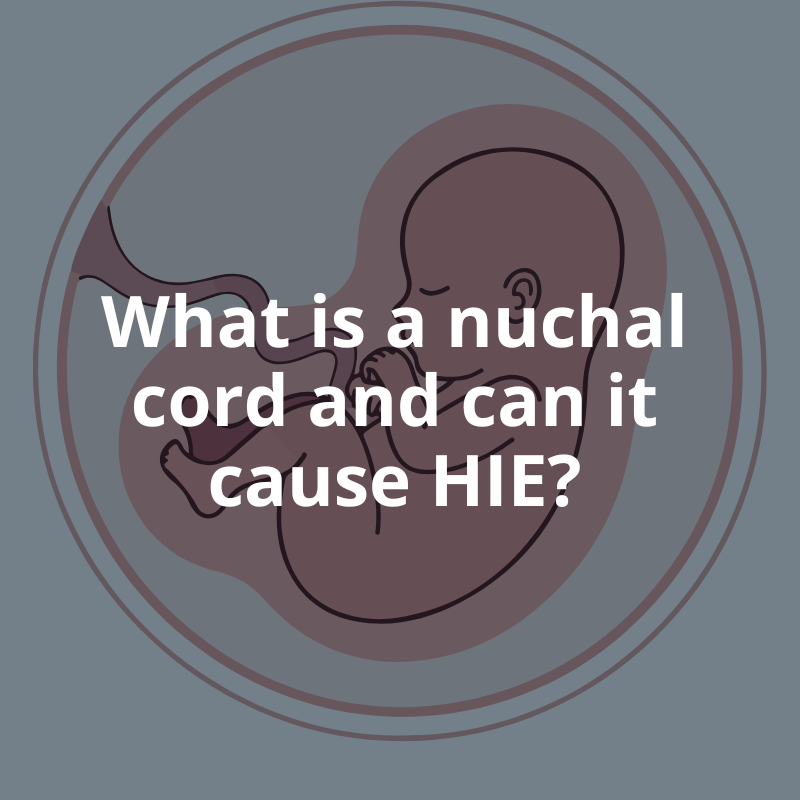
What Is a Nuchal Cord? A nuchal cord occurs when the umbilical cord becomes wrapped around a baby’s neck before or during birth. The umbilical cord connects the baby to the placenta and carries oxygen and nutrients to the baby. Because babies move during pregnancy, the cord can sometimes loop around the baby’s neck. A nuchal cord can be: Loose or tight Wrapped around the neck once or multiple times Present temporarily and then clear away Present during labor and delivery Nuchal cords are relatively common. Most babies with a nuchal cord are born healthy and do not develop…

READ MORE
Is PVL related to HIE?

If your newborn has been diagnosed with Hypoxic-ischemic encephalopathy (HIE) or Periventricular leukomalacia (PVL), it’s understandable to have many questions. Here’s a parent-focused guide that explains what PVL is, what it may mean, and how you can support your baby. What is HIE? HIE occurs when a baby’s brain receives too little oxygen or blood flow around the time of birth. In some babies, HIE can lead to injury in the white matter, resulting in PVL. Not every baby with HIE develops PVL, and the pattern of brain injury varies from child to child. Understanding PVL: A Guide for…

READ MORE

Does Breech Delivery Cause HIE?  

A breech delivery (when a baby is positioned feet- or bottom-first instead of head-first) does not automatically cause hypoxic-ischemic encephalopathy (HIE), but it can increase the risk of situations that reduce a baby’s oxygen supply, which in some cases may cause HIE. Here’s a parent-friendly overview: What is HIE? HIE (hypoxic-ischemic encephalopathy) develops when a baby’s brain experiences a significant reduction in oxygen and/or blood flow around the time of birth. Does breech presentation cause HIE? Not by itself. Many babies born breech are healthy and do not develop HIE. However, during a breech delivery, certain complications—rather than…

READ MORE

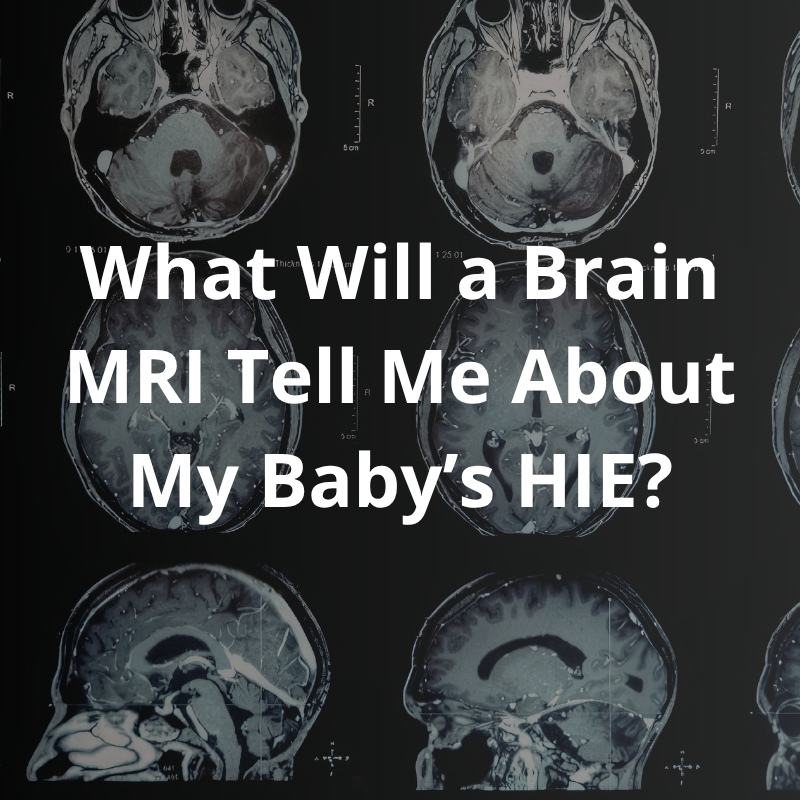
What Will a Brain MRI Tell Me About My Baby’s HIE?

If your baby has been diagnosed with hypoxic-ischemic encephalopathy (HIE), doctors will likely recommend a brain MRI within the first week of life. For many parents, this moment is overwhelming. You’re told your baby needs a scan, and naturally, the questions start: What will it show? Will it tell us how severe the injury is? Can it predict our child’s future? This guide walks you through what a brain MRI can—and cannot—tell you about HIE, in plain language. What Is a Brain MRI? A brain MRI (magnetic resonance imaging) is a safe, non-invasive scan that creates detailed images of your…

READ MORE

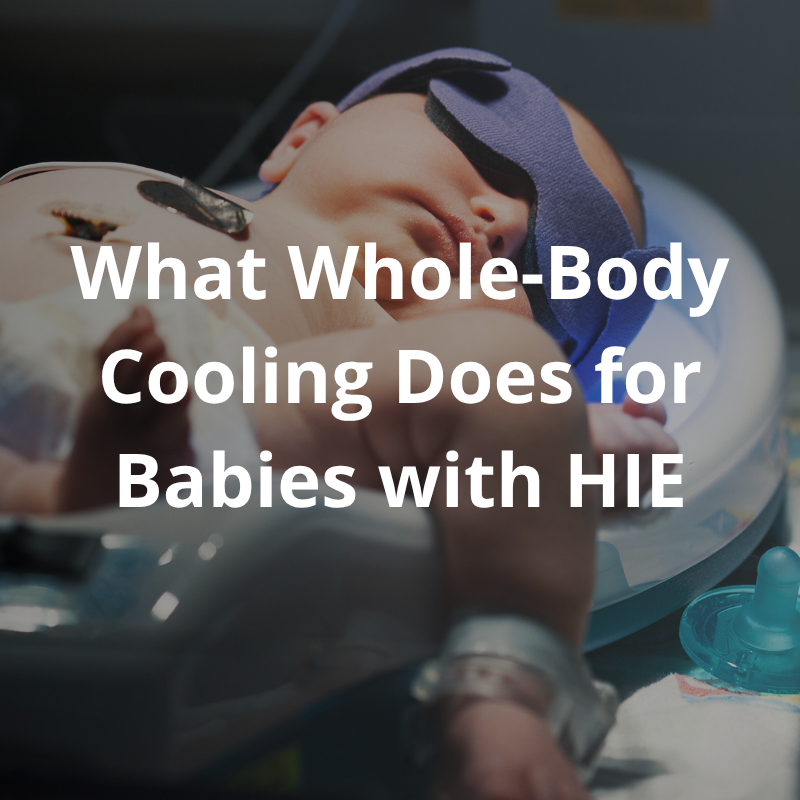
What Whole-Body Cooling Does for Babies with HIE

A parent-friendly guide to therapeutic hypothermia When a baby is diagnosed with hypoxic-ischemic encephalopathy (HIE)—a brain injury caused by lack of oxygen and blood flow around the time of birth—one of the first treatments you may hear about is whole-body cooling, also called therapeutic hypothermia. It can feel overwhelming in an already frightening moment. This guide explains, in clear terms, what cooling does, why it matters, and what parents can expect. What Is Whole-Body Cooling? Whole-body cooling is a medical treatment, administered in a specially equipped NICU, that gently lowers your baby’s body temperature to about 92–94°F (33–34°C)…

READ MORE

Does HIE Cause Seizures in Babies?

A parent-friendly guide to understanding what’s happening—and what comes next When your baby is diagnosed with hypoxic-ischemic encephalopathy (HIE), one of the most frightening things you may hear is that seizures are possible—or already happening. This can feel overwhelming. Understanding why seizures occur and what they mean can help you feel more grounded during a very uncertain time. What Is HIE? HIE (hypoxic-ischemic encephalopathy) happens when a baby’s brain doesn’t get enough oxygen and blood flow before, during, or shortly after birth. This lack of oxygen can injure delicate brain cells. Depending on how long and how severe the oxygen…

READ MORE

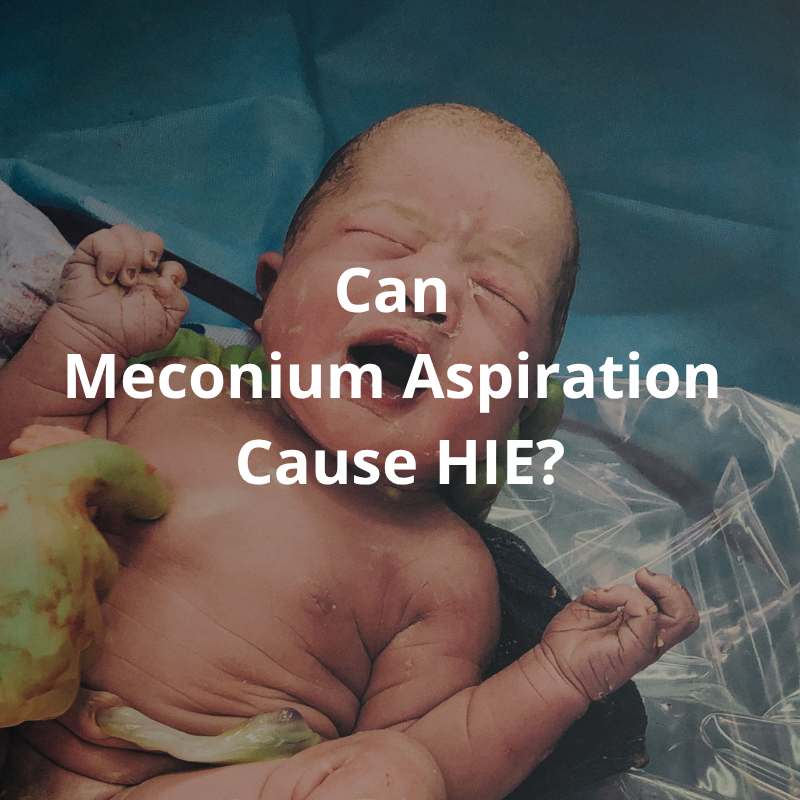
Can Meconium Aspiration Cause HIE?

Yes, meconium aspiration can contribute to hypoxic-ischemic encephalopathy (HIE), but the relationship is often more complex than parents realize. In many cases, the same oxygen deprivation that causes HIE also causes a baby to pass meconium before birth. In other situations, severe meconium aspiration can worsen breathing problems and reduce oxygen delivery to the brain, potentially contributing to or aggravating HIE. If your newborn has been diagnosed with both Meconium Aspiration Syndrome (MAS) and HIE, understanding how these conditions are connected can help you better understand what happened during labor, delivery, and your baby’s NICU stay.

READ MORE

What Is a Prolapsed Cord—and Can It Cause HIE?

Yes—a prolapsed umbilical cord can cause hypoxic-ischemic encephalopathy (HIE). It is one of the most urgent emergencies in childbirth because it can cut off a baby’s oxygen supply within minutes. The most important question—medically and legally—is: How quickly did the medical team respond? What Is a Prolapsed Cord? A prolapsed cord (umbilical cord prolapse) happens when the umbilical cord slips down into the birth canal ahead of the baby. This can occur: after the water breaks during labor when the baby’s position allows the cord to drop Why This Is Dangerous When the cord is in front of the…

READ MORE

Why Do HIE Babies Miss Developmental Milestones?

A Parent’s Guide to Understanding Delays After Hypoxic-Ischemic Encephalopathy (HIE) When your baby is diagnosed with hypoxic-ischemic encephalopathy (HIE), one of the most difficult parts of the journey is waiting to see how your child develops over time. Many parents leave the NICU hoping their baby will “catch up,” only to later notice missed milestones such as delayed rolling, sitting, walking, speech, or feeding. These delays can feel frightening and confusing. Parents often wonder: Is my baby developing normally? Will my child eventually catch up? Did the oxygen deprivation damage my baby’s brain? Could earlier medical intervention have prevented this?…

READ MORE

What to Expect When Your Baby with HIE Is in the NICU

Few moments are more overwhelming for parents than hearing that their newborn has been diagnosed with Hypoxic-Ischemic Encephalopathy (HIE) and needs care in the Neonatal Intensive Care Unit (NICU). The NICU can feel intimidating at first — filled with monitors, alarms, medical terms, and uncertainty. This overview is designed to help parents understand what may happen during the first hours, days, and weeks after an HIE diagnosis so you can feel more informed and prepared during an incredibly difficult time. What Is HIE? Hypoxic-Ischemic Encephalopathy (HIE) is a type of brain injury caused by reduced oxygen and blood flow to…

READ MORE