
Can Meconium Aspiration Cause HIE?
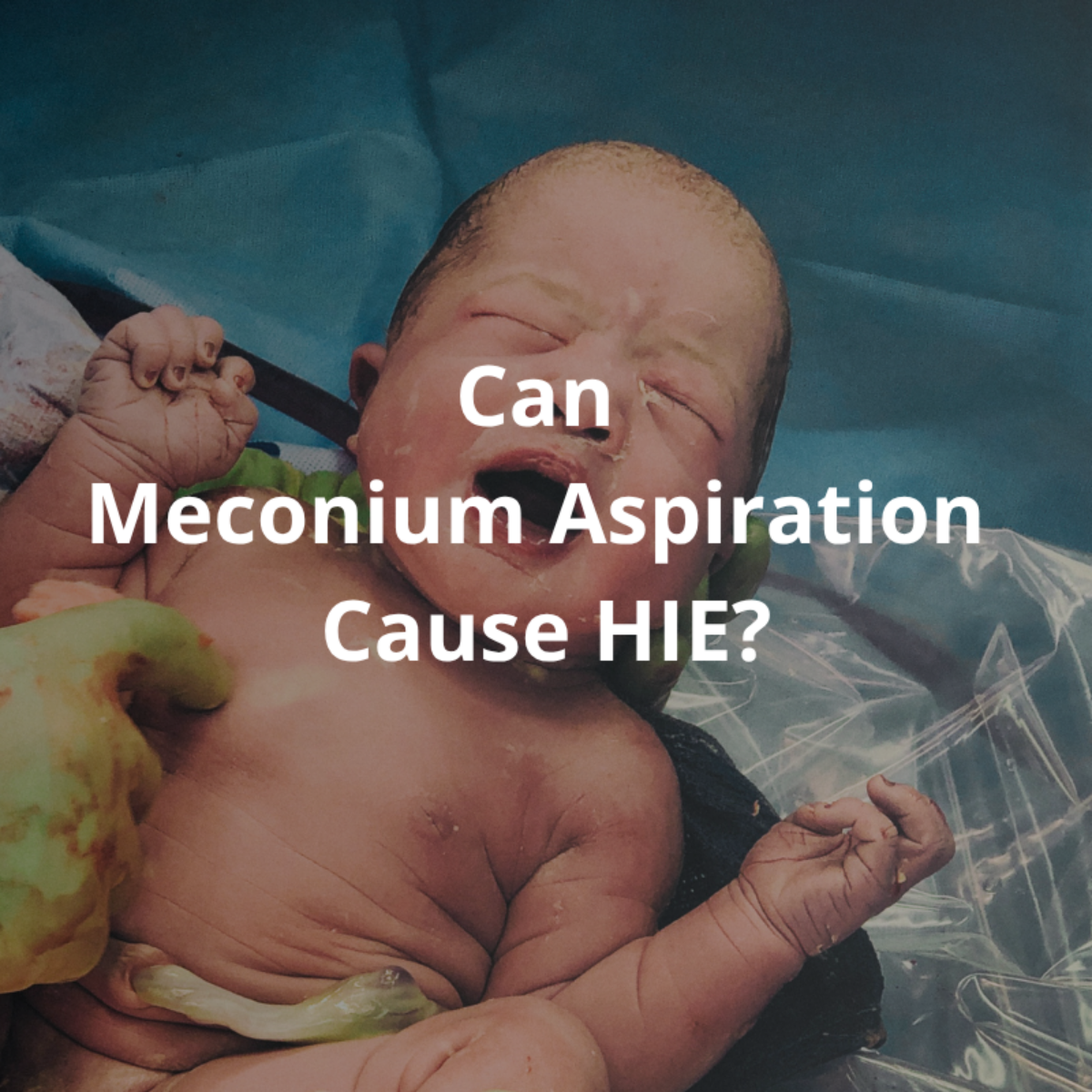
Yes, meconium aspiration can contribute to hypoxic-ischemic encephalopathy (HIE), but the relationship is often more complex than parents realize. In many cases, the same oxygen deprivation that causes HIE also causes a baby to pass meconium before birth. In other situations, severe meconium aspiration can worsen breathing problems and reduce oxygen delivery to the brain, potentially contributing to or aggravating HIE.
If your newborn has been diagnosed with both Meconium Aspiration Syndrome (MAS) and HIE, understanding how these conditions are connected can help you better understand what happened during labor, delivery, and your baby’s NICU stay.
What Is Meconium Aspiration Syndrome (MAS)?
Meconium is a baby’s first stool. It is usually passed after birth, but some babies pass meconium while still in the womb.
When a baby inhales amniotic fluid contaminated with meconium before, during, or shortly after delivery, this is called Meconium Aspiration Syndrome (MAS).
Meconium aspiration can:
- Block airways
- Cause lung inflammation
- Reduce oxygen exchange
- Lead to respiratory distress
- Cause persistent pulmonary hypertension of the newborn (PPHN)
Severe cases may require intensive respiratory support in the NICU.
What Is HIE?
Hypoxic-Ischemic Encephalopathy (HIE) is a type of newborn brain injury caused by insufficient oxygen and blood flow to the brain around the time of birth.
The injury can occur before labor, during labor, delivery, or immediately after birth.
HIE is a medical emergency because oxygen deprivation can trigger a cascade of brain cell injury that continues even after oxygen levels are restored.
 How Are Meconium Aspiration and HIE Connected?
Scenario 1: Oxygen Deprivation Causes Both Conditions
This is the most common scenario.
The sequence may look like this:
- A baby experiences oxygen deprivation in the womb.
- The stress triggers passage of meconium into the amniotic fluid.
- The baby inhales meconium-contaminated fluid.
- The oxygen deprivation causes brain injury resulting in HIE.
In this situation, meconium aspiration is often a symptom of an underlying oxygen deprivation event rather than the original cause of HIE.
Scenario 2: Meconium Aspiration Contributes to HIE
In some babies, severe meconium aspiration causes:
- Airway obstruction
- Lung inflammation
- Low blood oxygen levels
- Pulmonary hypertension
- Respiratory failure
When oxygen levels remain critically low, the brain may not receive enough oxygen and blood flow.
As a result, severe meconium aspiration can contribute to the development of HIE or worsen an existing hypoxic injury.
Why Does Fetal Distress Cause Meconium Passage?
When babies become stressed in utero, especially from reduced oxygen delivery, they may:
- Increase intestinal activity
- Relax the anal sphincter
- Pass meconium into the amniotic fluid
For this reason, meconium-stained amniotic fluid is often considered a potential warning sign of fetal distress.
However, not all meconium-stained fluid means severe oxygen deprivation occurred. Some healthy full-term babies pass meconium without experiencing HIE.
 How Do Doctors Diagnose Meconium Aspiration?
Doctors diagnose Meconium Aspiration Syndrome (MAS) by combining information from the delivery, the baby’s symptoms, physical examination, and medical testing. No single test confirms MAS by itself. Instead, doctors look for a pattern of findings that suggests a newborn inhaled meconium-contaminated amniotic fluid and developed breathing problems as a result.
- Meconium-Stained Amniotic Fluid at Delivery
The first clue is often the presence of meconium-stained amniotic fluid during labor or delivery.
Doctors and nurses may observe:
- Green, brown, or yellow-stained amniotic fluid
- Thick or “pea soup” meconium
- Meconium on the baby’s skin, umbilical cord, or fingernails
However, meconium-stained fluid alone does not mean a baby has MAS. Many babies exposed to meconium never develop breathing problems.
- Signs of Breathing Difficulty After Birth
A baby with meconium aspiration typically develops respiratory distress shortly after delivery.
Common signs include:
- Rapid breathing (tachypnea)
- Grunting sounds
- Flaring nostrils
- Chest retractions (pulling in of the chest muscles)
- Low oxygen levels
- Bluish skin color (cyanosis)
- Need for oxygen or resuscitation
The severity can range from mild breathing difficulty to life-threatening respiratory failure.
- Physical Examination
A neonatologist or pediatrician will listen to the baby’s lungs and assess breathing effort.
Findings may include:
- Coarse breath sounds
- Crackles or rales
- Decreased air movement
- Signs of respiratory distress
- Abnormal oxygen saturation levels
Doctors also evaluate the baby’s heart rate, muscle tone, and overall condition.
- Chest X-Ray
A chest X-ray is one of the most important tests used to diagnose MAS.
Typical X-ray findings may include:
- Patchy areas of lung opacity
- Hyperinflated lungs
- Areas of lung collapse (atelectasis)
- Air leaks around the lungs in severe cases
- Irregular infiltrates throughout the lungs
The X-ray helps doctors distinguish MAS from other causes of newborn respiratory distress.
- Blood Gas Testing
Doctors often obtain blood gas measurements to determine how well the baby is oxygenating.
Blood gases may reveal:
- Low oxygen levels (hypoxemia)
- Elevated carbon dioxide levels
- Acidosis
These results help guide treatment decisions and assess the severity of respiratory compromise.
- Pulse Oximetry Monitoring
Continuous pulse oximetry measures oxygen saturation in the baby’s blood.
Doctors monitor for:
- Low oxygen levels
- Fluctuating oxygen requirements
- Response to treatment
Persistent low oxygen levels may indicate severe MAS or complications such as pulmonary hypertension.
- Evaluation for Persistent Pulmonary Hypertension (PPHN)
Severe meconium aspiration can cause Persistent Pulmonary Hypertension of the Newborn (PPHN), a condition in which blood vessels in the lungs remain abnormally constricted after birth.
Doctors may order an echocardiogram to:
- Assess blood flow through the heart and lungs
- Confirm PPHN
- Exclude congenital heart defects
PPHN is one reason some babies with MAS require intensive NICU care.
- Assessment for HIE and Oxygen Deprivation
If a baby with MAS experienced significant oxygen deprivation before or during birth, doctors may also evaluate for Hypoxic-Ischemic Encephalopathy (HIE).
Additional testing may include:
- Umbilical cord blood gases
- Neurological examinations
- Continuous EEG monitoring
- Brain MRI
This evaluation is especially important when a baby has:
- Low Apgar scores
- Severe acidosis
- Need for prolonged resuscitation
- Seizures
- Abnormal neurological findings
 Treatment When a Baby Has Both MAS and HIE
Treatment focuses on protecting both the lungs and the brain.
Respiratory Support
Depending on severity, babies may require:
- Supplemental oxygen
- CPAP
- Mechanical ventilation
- High-frequency ventilation
- Inhaled nitric oxide
- ECMO in the most severe cases
The goal is to restore adequate oxygen delivery throughout the body.
Therapeutic Hypothermia (Cooling Therapy)
For babies with moderate to severe HIE, therapeutic hypothermia is often started within six hours of birth.
Cooling therapy:
- Lowers body temperature
- Slows brain injury processes
- Reduces inflammation
- Improves long-term outcomes
- Lowers the risk of death and disability
Cooling therapy has become the standard of care for eligible newborns with HIE.
Frequently Asked Questions
Can doctors tell immediately if a baby has meconium aspiration?
Not always. Doctors may suspect MAS at birth if meconium-stained fluid is present and the baby has breathing problems, but confirmation often requires observation, imaging, and testing.
Does every baby exposed to meconium develop MAS?
No. Many babies are born through meconium-stained fluid and never develop respiratory symptoms.
Can MAS be mistaken for other lung conditions?
Yes. MAS can resemble pneumonia, transient tachypnea of the newborn (TTN), respiratory distress syndrome (RDS), or other causes of neonatal breathing difficulty. Chest X-rays and clinical findings help distinguish these conditions.
Is a chest X-ray always necessary?
Most babies with significant respiratory distress and suspected MAS undergo chest imaging because it helps confirm the diagnosis and assess severity.
What Is the Prognosis?
Every baby’s outcome is different.
Some infants recover completely from both meconium aspiration and HIE.
Others may experience long-term complications, including:
- Developmental delays
- Cerebral palsy
- Learning disabilities
- Epilepsy
- Feeding difficulties
- Speech and language delays
- Long-term respiratory issues (such as Asthma or Reactive Airway Disease)
Prognosis depends on factors such as:
- Severity of oxygen deprivation
- Extent of lung injury
- Presence of seizures
- MRI findings
- Response to cooling therapy
- Ongoing developmental progress
Early intervention services can significantly improve outcomes.
When Parents Have Questions About What Happened During Labor
Meconium aspiration and HIE can occur despite appropriate medical care. However, because both conditions may be associated with fetal distress, families sometimes have questions about whether warning signs were recognized and addressed promptly.
What Medical Records Can Reveal
To determine whether the injury could have been prevented, key evidence includes:
- Abnormal fetal heart rate tracings
- Delayed response to fetal distress
- Delayed cesarean delivery
- Inadequate fetal monitoring
- Failure to recognize worsening oxygen deprivation
A review of the labor and delivery records is often necessary to understand the sequence of events.
Do You Have a Case?
If your child suffered a brain injury after a complicated delivery, you may have questions about whether it could have been prevented.
You should consider contacting the HIE Newborn team as soon as possible if:
- Meconium aspiration and airway obstruction were diagnosed or suspected
- You had an emergency c-section delivery, and your baby was born with signs of distress or injury (like seizures, difficulty breathing, or the need for intensive medical intervention).
- Your baby has been diagnosed with a condition like hypoxic-ischemic encephalopathy (HIE), cerebral palsy, or another birth-related injury.
- You suspect that something went wrong during labor or delivery, or you have concerns about the medical care you or your baby received.
You do not need to know for certain what happened – that requires a detailed medical review to fully assess which parties were negligent.