

The Treatment of Hypoxic-Ischemic Encephalopathy
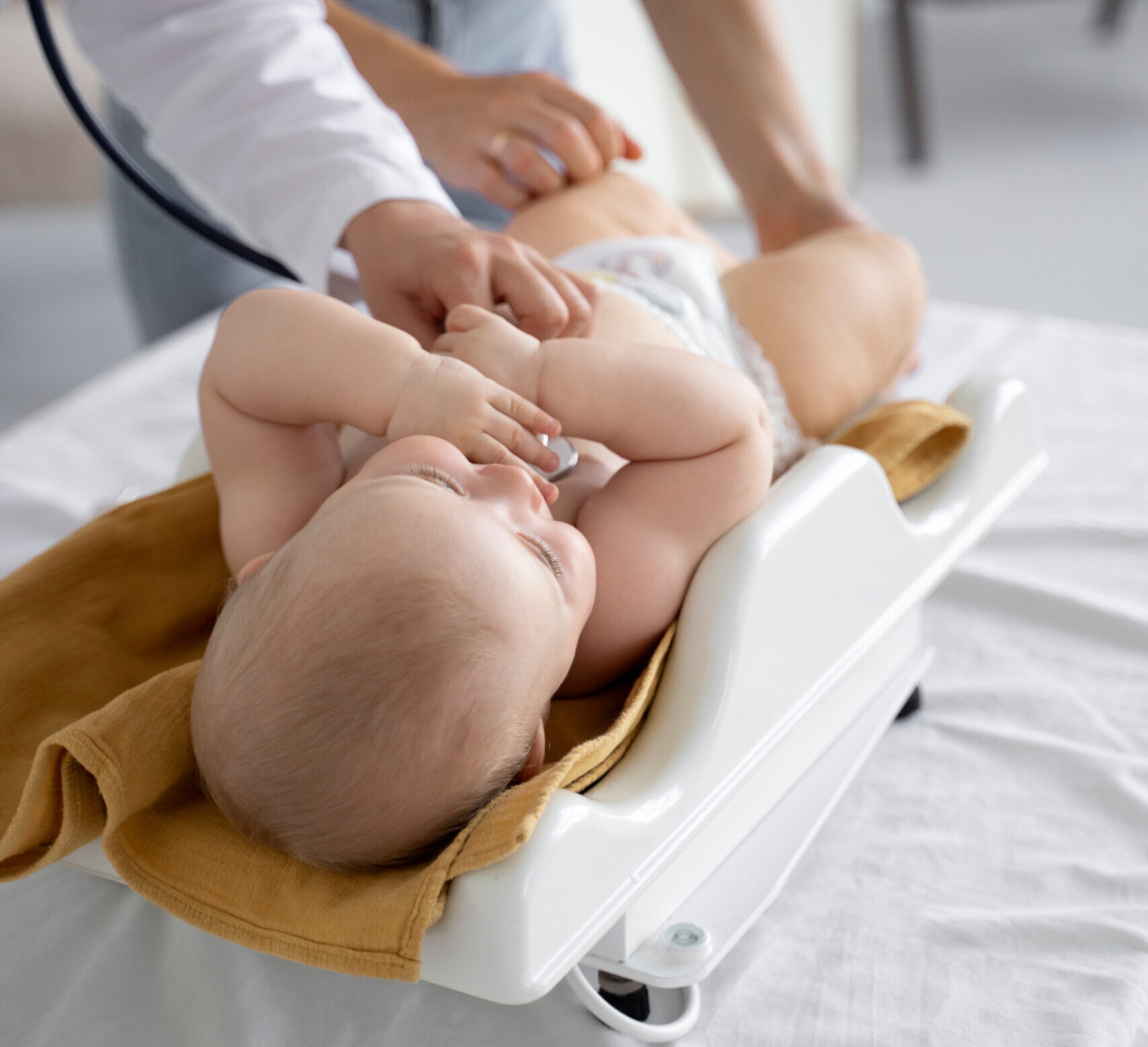
Infants with HIE require neonatal intensive care and typically spend several weeks in the NICU. A baby with HIE may be transferred, via ambulance or life flight, from the hospital where the birth occurred to a higher level NICU if the birth hospital does not have a high-level NICU.
Seeking care and support for your child with HIE
Although there is no cure for HIE, certain treatments can significantly improve a child’s prognosis.
Following discharge from NICU, treatment is based on the specific symptoms of the infant and may include:
- oxygen therapy
- anti-seizure medications
- muscle relaxant medications
- possibly surgery
From infancy onward, physical therapy, occupational therapy, speech therapy, clinical nutrition therapy, customized, durable medical equipment, and individualized learning programs can support their growth and development.
What medical errors can occur during labor and delivery?
In many cases of HIE, the cause can be traced to a medical mistake made by the doctors, nurses, or healthcare providers responsible for the safe delivery of your baby.
Failure to detect negative fetal vital signs
Failure to quickly perform an emergency C-section
Failure to detect an umbilical cord wrapped around the infant’s neck
Improper use of forceps and/or vacuum extractor during delivery
Failure to test and treat pregnancy-related conditions
Misdiagnosis of pregnancy-related conditions

Cooling Techniques
The only effective treatment for HIE is to lower the newborn baby’s brain temperature. Cooling techniques include either a cooling blanket for whole-body cooling or a selective head cooling protocol.

Lowered Body Temperature
The lowered body temperature (hypothermia) is maintained for up to the first 72 hours of life. It is followed by a rewarming phase, during which time the baby’s seizure activity may increase. Once the baby’s body temperature rises to normal, the baby undergoes a brain MRI to look for signs of brain damage.
Hypoxic Ischemic Encephalopathy (HIE) FAQs
What is HIE?


HIE, or Hypoxic-Ischemic Encephalopathy, is a serious medical condition that occurs when the brain doesn’t receive enough oxygen and blood flow. This lack of oxygen and nutrients can result in brain damage, and in severe cases, it may lead to long-term physical or cognitive disabilities.
What Causes HIE in Newborns?
HIE typically happens during childbirth. Key causes include:
- Oxygen deprivation during labor and delivery (e.g., umbilical cord problems, placental abruption, or uterine rupture).
- Reduced blood flow to the baby’s brain due to complications such as low maternal blood pressure or prolonged labor.
- Medical complications, such as a severe infection, hemorrhage, or cardiac arrest affecting the baby, the mother, or both of them.
What are HIE symptoms in Newborns?
Symptoms can vary depending on the severity of the condition:
- Mild Cases may show subtle signs, such as low muscle tone or difficulty feeding.
- Moderate Cases might involve seizures in newborns (also called neonatal seizures, or baby seizures), breathing problems, or difficulty responding to stimuli.
- Severe Cases can include organ dysfunction, severe seizures, loss of vision, loss of hearing, or lack of consciousness.
If you notice any of these signs, seek immediate medical attention. Early detection is crucial.
What are Potential Long-Term Effects of HIE?
The outcomes of HIE depend on how long the brain was deprived of oxygen and the timeliness of intervention. Some possible long-term effects include:
- Cerebral palsy
- Developmental delays
- Epilepsy
- Learning disabilities or cognitive impairments
While not every case of HIE leads to lasting effects, the impact can be profound in cases of severe oxygen deprivation.
What are Treatment Options for HIE?
There is no universal treatment for reversing brain damage caused by HIE, but immediate medical interventions can minimize its effects:
- Therapeutic Hypothermia (Cooling Therapy): For newborns, cooling the body temperature shortly after birth can reduce further brain injury.
- Medications: To manage seizures or other secondary complications.
- Rehabilitation Therapies: Physical therapy, speech therapy, and occupational therapy can help manage long-term challenges.