
What Whole-Body Cooling Does for Babies with HIE

A parent-friendly guide to therapeutic hypothermia
When a baby is diagnosed with hypoxic-ischemic encephalopathy (HIE)—a brain injury caused by lack of oxygen and blood flow around the time of birth—one of the first treatments you may hear about is whole-body cooling, also called therapeutic hypothermia.
It can feel overwhelming in an already frightening moment. This guide explains, in clear terms, what cooling does, why it matters, and what parents can expect.
What Is Whole-Body Cooling?
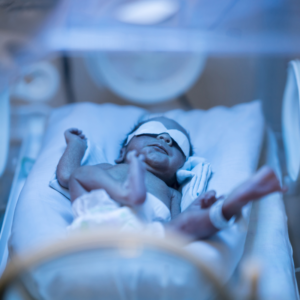
Whole-body cooling is a medical treatment, administered in a specially equipped NICU, that gently lowers your baby’s body temperature to about 92–94°F (33–34°C) for a controlled period of time—typically 72 hours (3 days). This slows the brain’s injury process and helps protect brain cells from further damage.
Your baby is placed on a special cooling blanket or mattress in the neonatal intensive care unit (NICU). Care teams carefully monitor temperature, heart rate, breathing, and brain activity the entire time.
Why Cooling Is Used for HIE
HIE doesn’t just cause injury at the moment oxygen is lost. There’s a second wave of brain injury that unfolds over hours and days afterward.
This delayed injury involves:
- Inflammation
- Swelling (edema)
- Toxic chemical release
- Cell death (apoptosis)
Cooling works by slowing down these damaging processes.
 How Whole-Body Cooling Protects the Brain
Think of cooling as pressing “pause” on the injury process.
- Slows Brain Metabolism
Lowering temperature reduces how much energy brain cells need. This helps vulnerable cells survive after oxygen deprivation.
- Reduces Inflammation
Cooling decreases swelling and tissue damage that can worsen brain damage.
- Limits Toxic Chemical Release
After oxygen loss, the brain can release harmful substances like glutamate. Cooling helps reduce this “cascade.”
- Prevents Cell Death
Therapeutic hypothermia can reduce programmed death of brain cells (neuronal cells) and preserve brain tissue.
Timing Is Critical – The 6-Hour Treatment Window
Cooling must begin within 6 hours of birth to be most effective.
Delays can happen due to:
- Failure to recognize fetal distress
- Delayed emergency C-section
- Late transfer to a NICU
- Missed or late HIE diagnosis
If cooling starts too late, the protective benefits drop significantly.
What Parents Will See During Cooling
During treatment, your baby may:
- Feel cool to the touch
- Be sedated or minimally responsive
- Be connected to monitors and possibly a ventilator
- Undergo continuous brain monitoring (EEG)
This can be distressing—but it is a controlled, evidence-based treatment designed to protect the brain.
After 72 hours, doctors slowly rewarm your baby.
What Happens After Cooling?
After rewarming, doctors begin evaluating injury and prognosis:
- Brain MRI (usually performed between days 4–7 of life)
- Neurological exams
- Feeding and muscle tone assessments
These results help determine:
- Risk of developmental delay
- Need for early intervention
- Long-term outlook
Questions Parents Should Ask
It’s okay to ask direct questions during this time. Consider:
- When was cooling started?
- Was it within the 6-hour window?
- What signs of HIE were present at birth?
- What will the MRI tell us?
- What kind of follow-up care will be needed?
 Does Cooling Cure HIE?
Cooling is not a cure, but it is the only treatment proven to reduce the severity of brain injury in HIE.
Research shows it can:
- Lower the risk of death
- Reduce the likelihood of severe disabilities like cerebral palsy
- Improve long-term developmental outcomes
However, outcomes vary depending on:
- Severity of the initial injury
- How quickly cooling started
- Areas of the brain affected
Does Cooling Prevent Cerebral Palsy or Disability?
Whole-body cooling is the standard of care for HIE, and studies show it can:
- Reduce the risk of death
- Lower the chance of severe cerebral palsy
- Improve developmental outcomes
However, it does not guarantee a normal outcome.
Prognosis depends on:
- Severity of oxygen deprivation
- Speed of treatment
- Areas of the brain affected
- Presence of seizures
 A Difficult but Important Reality
Whole-body cooling is a standard of care in modern medicine. When it is not offered, delayed, or improperly administered, it raises serious medical concerns.
In some cases, HIE—and the need for cooling—may be linked to:
- Delayed C-section
- Failure to respond to fetal distress
- Umbilical cord complications
- Prolonged labor
Understanding what happened medically can be an important step for families.
The Bottom Line
When a baby has an HIE diagnosis and receives cooling therapy, the central question is: Could faster action have prevented the injury?
Do You Have a Case?
If your child suffered a brain injury after a complicated delivery, you may have questions about whether it could have been prevented.
You should consider contacting the HIE Newborn team as soon as possible if:
- Your baby received cooling therapy
- You had an emergency c-section delivery, and your baby was born with signs of distress or injury (like seizures, difficulty breathing, or the need for intensive medical intervention).
- Your baby has been diagnosed with a condition like hypoxic-ischemic encephalopathy (HIE), cerebral palsy, or another birth-related injury.
- You suspect that something went wrong during labor or delivery, or you have concerns about the medical care you or your baby received.
You do not need to know for certain what happened – that requires a detailed medical review to fully assess which parties were negligent.