
What Will a Brain MRI Tell Me About My Baby’s HIE?
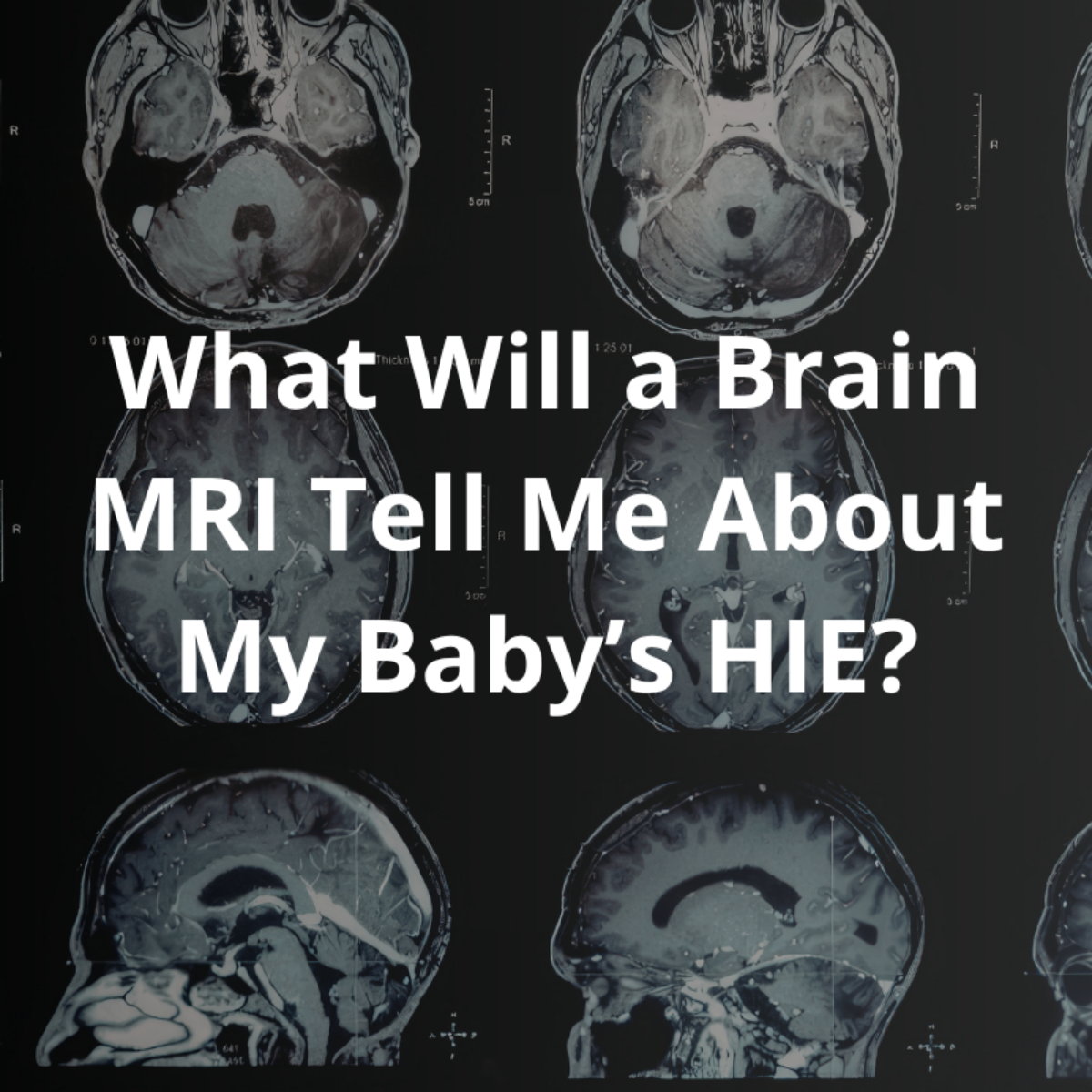
If your baby has been diagnosed with hypoxic-ischemic encephalopathy (HIE), doctors will likely recommend a brain MRI within the first week of life.
For many parents, this moment is overwhelming. You’re told your baby needs a scan, and naturally, the questions start:
- What will it show?
- Will it tell us how severe the injury is?
- Can it predict our child’s future?
This guide walks you through what a brain MRI can—and cannot—tell you about HIE, in plain language.
 What Is a Brain MRI?
A brain MRI (magnetic resonance imaging) is a safe, non-invasive scan that creates detailed images of your baby’s brain.
Unlike CT scans, MRI:
- Uses no radiation
- Provides high-resolution images of brain tissue
- Can detect oxygen-related injury very early
In HIE cases, MRI is typically performed:
- Around days 4–7 of life (after cooling therapy, if used)
- Sometimes repeated later for more clarity
This timing matters because it allows the injury to become visible on imaging.
Why MRI Is So Important in HIE
An MRI is the most accurate tool doctors have to understand:
- Where the brain was injured
- How severe the injury is
- What functions might be affected
It becomes a critical piece of information for:
- Medical care planning
- Therapy decisions
- Long-term outlook
- (In some cases) understanding whether the injury could have been prevented
What the MRI Looks For
- Areas of Brain Injury
HIE doesn’t affect every brain the same way. The MRI helps identify which parts of the brain were deprived of oxygen.
Common patterns include:
Deep brain injury (basal ganglia and thalamus):
- Often linked to sudden, severe oxygen loss
- May affect movement, muscle control, and coordination
Watershed injury (outer brain regions):
- Often linked to prolonged, partial oxygen deprivation
- May affect learning, behavior, and cognition later in life
Global injury:
- More widespread damage
- Often associated with more severe outcomes
- Severity of the Injury
Radiologists and neurologists assess how extensive the damage is. They may describe it as:
- Mild
- Moderate
- Severe
This classification is based on:
- How much of the brain is affected
- Which structures are involved
- How intense the signal changes appear on MRI
- Timing of the Injury
MRI can sometimes help determine when the injury occurred:
- Before labor
- During labor and delivery
- Shortly after birth
This can be especially important in understanding what happened and whether earlier intervention might have changed the outcome.
- Evidence of Oxygen Deprivation
Certain MRI sequences (like diffusion-weighted imaging) can show:
- Cellular injury from lack of oxygen
- Swelling or early brain damage
These findings are often some of the first indicators of HIE-related injury.
 Can MRI Predict My Baby’s Future?
This is one of the hardest—and most important—questions.
The honest answer:
MRI provides strong clues, but it does not guarantee outcomes.
Doctors use MRI results alongside:
- Neurological exams
- EEG (brain wave testing)
- Your baby’s clinical course
What MRI can help predict:
- Risk of cerebral palsy
- Likelihood of developmental delays
- Possible feeding or motor challenges
What it cannot do:
- Predict personality, intelligence, or resilience
- Fully determine how your child will adapt and grow
Many children do better than early imaging might suggest, especially with early therapy.
Why Timing Matters
If your baby received therapeutic hypothermia (cooling treatment), MRI is usually delayed slightly because:
- Cooling can temporarily change how injuries appear
- Waiting a few days gives a clearer, more accurate picture
A scan done too early may miss or underestimate injury.
What Questions Should I Ask After the MRI?
When you meet with your care team, consider asking:
- What areas of the brain are affected?
- How severe does the injury appear?
- What does this mean for movement, learning, or development?
- Should we repeat the MRI later?
- What therapies should we start now?
If anything is unclear, ask for the explanation in simpler terms. You deserve to understand what’s happening.
Can MRI Findings Help Determine If Medical Mistakes Occurred?
In some cases, MRI results raise important questions about preventability.
They may point to issues such as:
- Delayed emergency C-section
- Failure to respond to fetal distress
- Umbilical cord complications
- Delayed C-section
- Missed signs of fetal distress
- Umbilical cord complications
- Failure to respond to oxygen deprivation
While MRI alone doesn’t answer every question, it can become a key piece of evidence in understanding whether the injury was avoidable.
Final Thoughts
Seeing your baby go through an MRI can feel frightening. But this scan is not just another test—it’s a window into understanding your child’s needs.
It helps doctors:
- Plan care
- Start early interventions
- Support your baby’s development from the very beginning
And most importantly, it gives you information—so you can advocate for your child with clarity and confidence.
Do You Have a Case?
If your child suffered a brain injury after a complicated delivery, you may have questions about whether it could have been prevented.
You should consider contacting the HIE Newborn team as soon as possible if:
- Your baby has been diagnosed with a condition like hypoxic-ischemic encephalopathy (HIE), cerebral palsy, or another birth-related injury.
- You had an emergency c-section delivery, and your baby was born with signs of distress or injury (like seizures, difficulty breathing, or the need for intensive medical intervention).
- You suspect that something went wrong during labor or delivery, or you have concerns about the medical care you or your baby received.
You do not need to know for certain what happened – that requires a detailed medical review to fully assess which parties were negligent.