
This is my archive

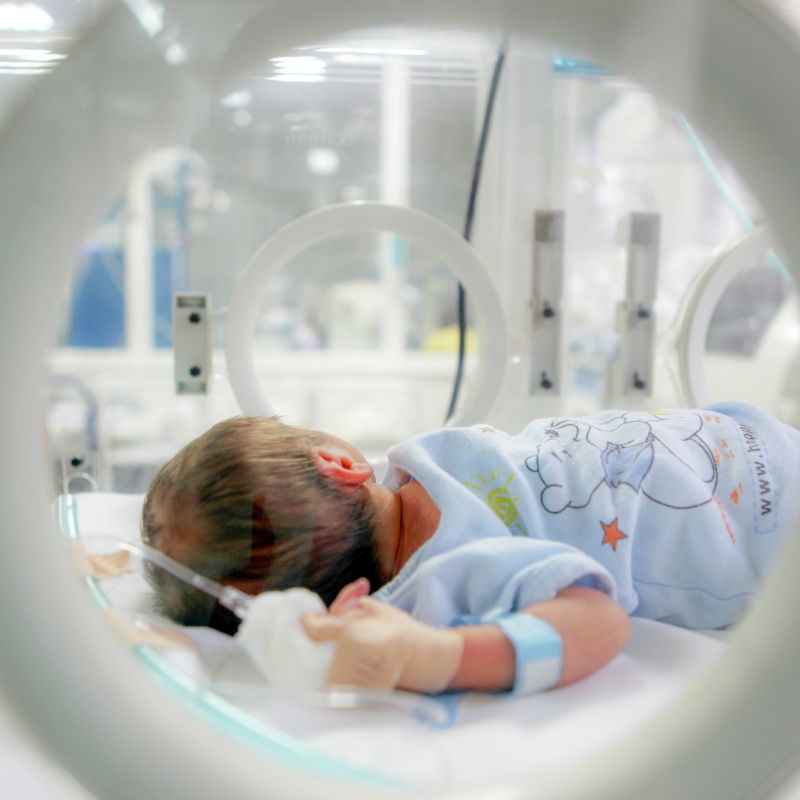
What to Expect When Your Baby with HIE Is in the NICU

Few moments are more overwhelming for parents than hearing that their newborn has been diagnosed with Hypoxic-Ischemic Encephalopathy (HIE) and needs care in the Neonatal Intensive Care Unit (NICU). The NICU can feel intimidating at first — filled with monitors, alarms, medical terms, and uncertainty. This overview is designed to help parents understand what may happen during the first hours, days, and weeks after an HIE diagnosis so you can feel more informed and prepared during an incredibly difficult time. What Is HIE? Hypoxic-Ischemic Encephalopathy (HIE) is a type of brain injury caused by reduced oxygen and blood flow to…

READ MORE
Can a Delayed C-Section Cause HIE?

Yes—a delayed C-section can cause hypoxic-ischemic encephalopathy (HIE). In many birth injury cases, HIE occurs when a baby is in distress during labor and doctors do not deliver the baby quickly enough. The key issue is timing: When warning signs appear, how long did it take to perform the C-section? Why Timing Matters So Much During labor, babies rely on a steady flow of oxygen through the placenta. If something goes wrong—such as cord compression, placental problems, or prolonged contractions—oxygen levels can drop. When that happens: the baby’s brain begins to suffer injury risk increases with every passing minute rapid…

READ MORE

Does Lactic Acidosis Mean a Baby Has HIE?

Not necessarily—but lactic acidosis can be a strong indicator that a baby experienced oxygen deprivation, which is one of the primary causes of hypoxic-ischemic encephalopathy (HIE). The key point is this: Lactic acidosis is not the diagnosis—it’s a clue about what may have happened during birth. What Is Lactic Acidosis in a Newborn? Lactic acidosis occurs when the body produces excess lactic acid, usually because cells are not getting enough oxygen. During labor or delivery, this can happen if: blood flow through the placenta is reduced the baby is under stress oxygen delivery is compromised When oxygen is low, the…

READ MORE